Which Barong I Would Choose in the High-End Segment
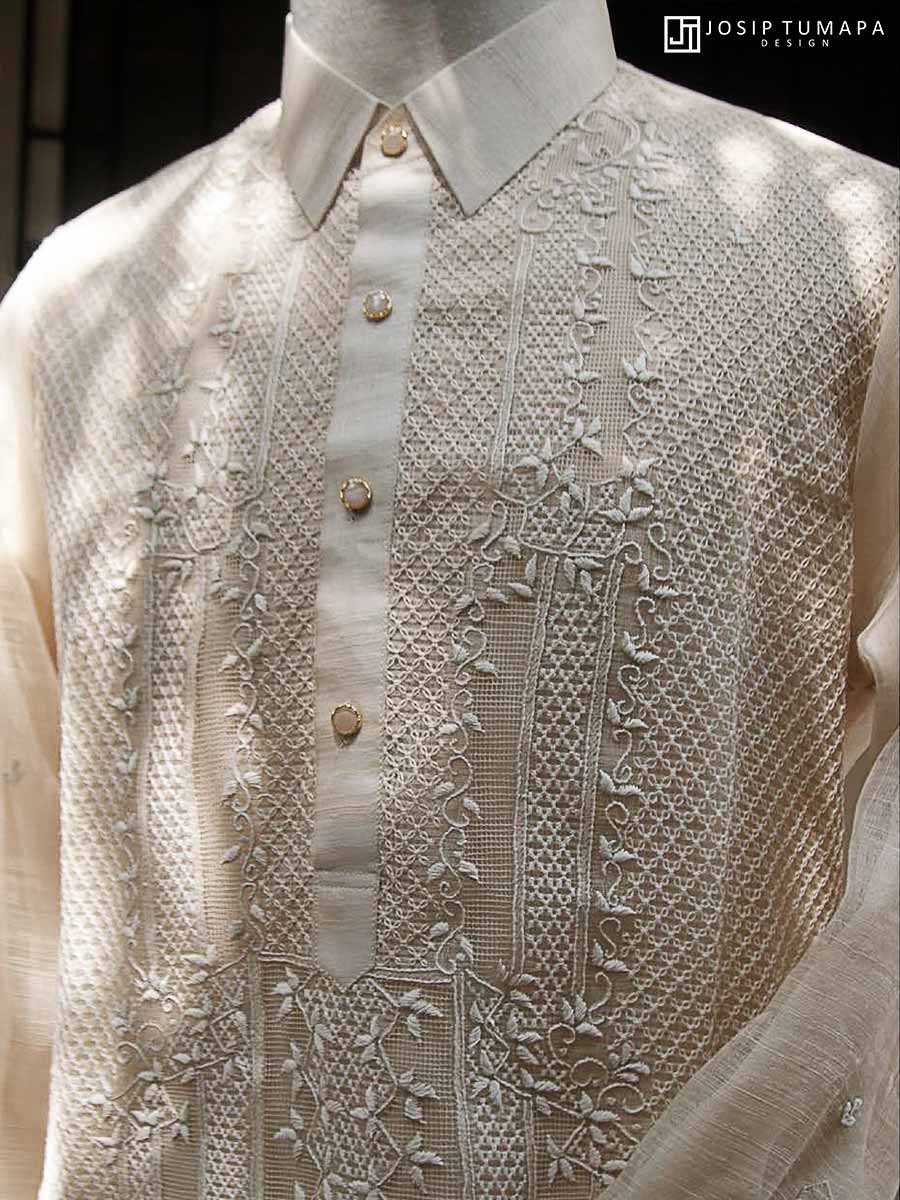
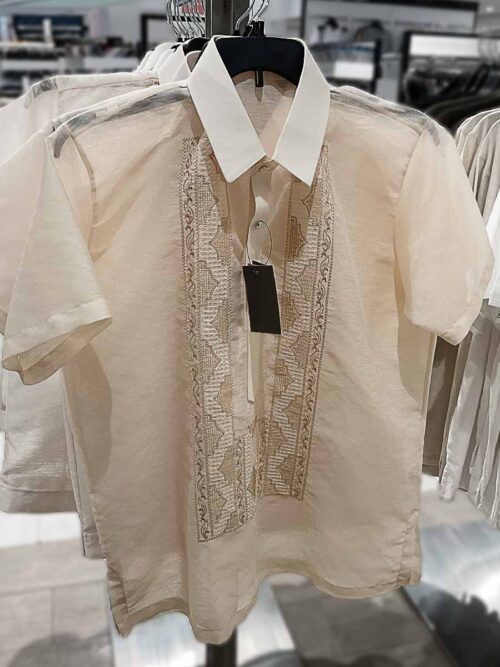
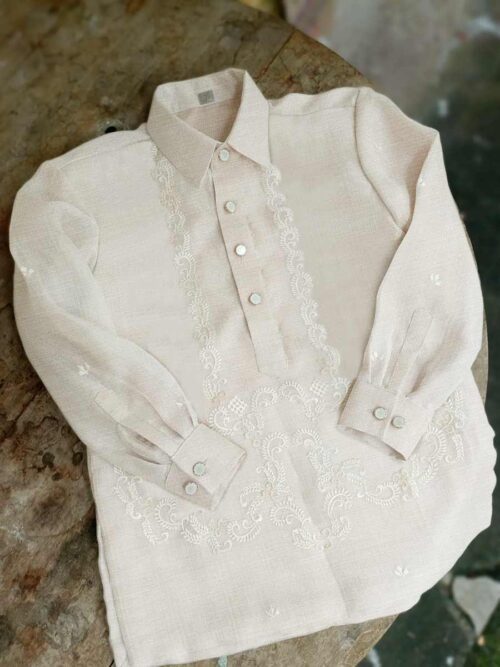
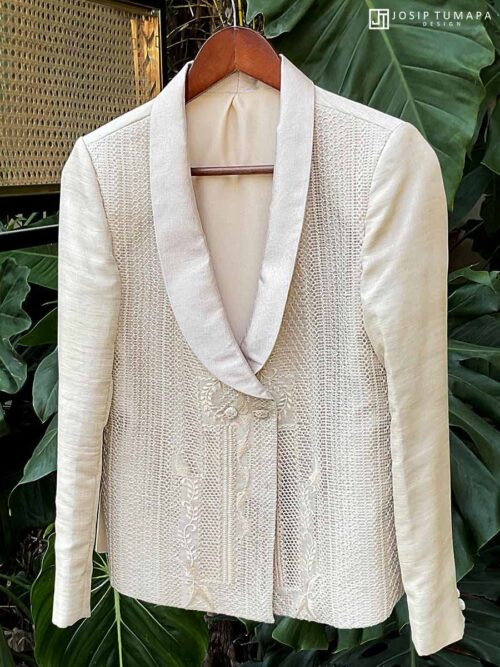
The high-end segment starts at $200 or ₱10,000 and above. These barongs are also often chosen for weddings. Here there is more choice in both ornamentation and materials. As for fabric, I would prefer piña cocoon silk with added natural piña. It is not too hot to wear, and the natural piña gives the fabric a pleasant sheen. In addition, this kind of material is connected to Filipino tradition and to the craftsmanship on which the barong itself is built.
At this level, it already makes sense to order a barong made to your measurements, because the garment should sit well on the body, which is especially important for a classic barong. I also like barongs with a built-in lining, because that is more convenient. As for ornamentation, both machine embroidery and hand embroidery are available here. Personally, I prefer hand embroidery, because you can feel a certain warmth in it through the slight irregularity of the stitches. In an age of automation and identical copies, that looks more interesting.
A barong like this would cost around $350–$450. But at this point I begin thinking less about general advice and more about the kind of barong I would order for myself. And I really do plan to do that.
I would add a custom plant-inspired ornament on the front, on the sleeves, and on the shoulder area. And of course, I would choose calado embroidery on the front panel.
Calado is a traditional openwork embroidery technique done by hand, and it creates a finer, more detailed ornament. I like it very much.
A barong of this kind would already cost from $600 and up. I would expect it to be around $750. The exact cost depends on many factors: the designer’s name, the level of the workshop, where the material is sourced, and the complexity of the work, so the final price could easily be much higher.